
About proptok Group
What are We
What are We
The quintessential Proptok video has a certain grammar. It’s often shot through the window of a car, panning across a construction site or a new neighbourhood. The voiceover is direct, peppered with insider jargon (“FAR,” “carpet area,” “OC status”) but delivered in Hindi, Tamil, Gujarati, or Hinglish. The creator isn’t a model in a suit; they’re likely a local agent, an aspiring investor, or just a guy who figured out the market the hard way.
They point the camera at a building. “See this project? Launched three years ago. Promised possession in 2024. Look at the site – barely 10 floors up. My advice? Don’t even look at the brochure.” Another video zooms in on water stains on a brand-new apartment ceiling. “This is from the flat above. Builder used cheap plumbing. Check this before you take possession.”
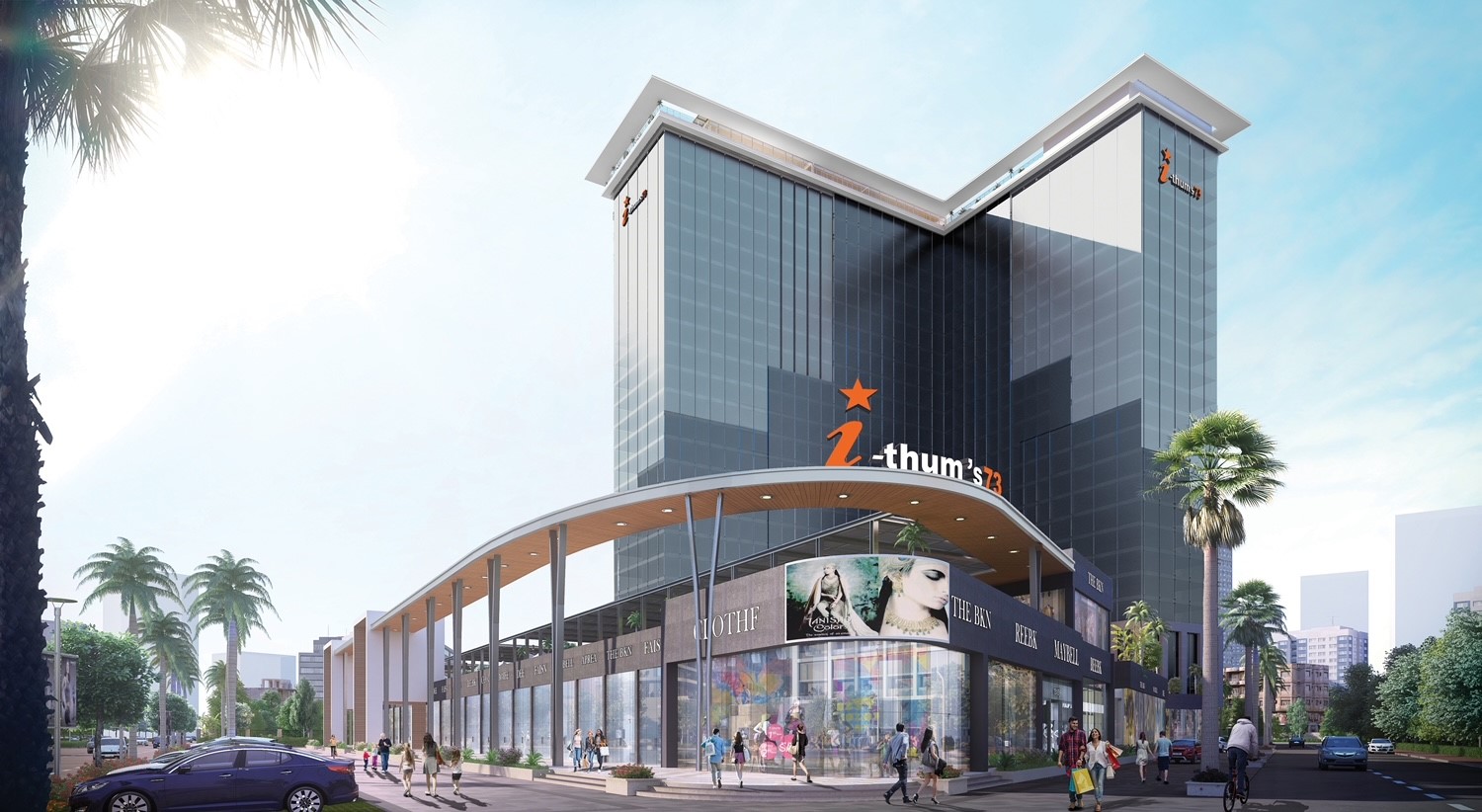
This is the anti-brochure. It’s the power of visceral, visual evidence over airbrushed renders. It’s trust built not on corporate branding, but on perceived authenticity. Followers feel they’re getting the “real scoop,” the stuff the builder’s sales team will never say.
The traditional gatekeepers of real estate information—brokerage firms, newspaper supplements, elite consultants—are finding their authority challenged. A 22-year-old with a keen eye for construction quality and a talent for viral hooks can amass a following larger than a local property magazine. These new influencers are building empires on trust and transparency (or at least, the compelling illusion of it).
They breakdown complex topics: “What is Floor Space Index? Let me show you with these two buildings side-by-side.” They compare localities: “Why I chose Gachibowli over HITEC City for rental yield.” They offer blunt financial advice: “If your home loan EMI is over 40% of your in-hand salary, you are heading for trouble.”
For millions, especially younger millennials and Gen Z entering the market, these creators are their first point of contact. They are the relatable tutors who demystify the process, making it less intimidating. The advice is bite-sized, digestible, and feels fiercely independent.
But this wild west of information has its perils. The very algorithm that rewards engagement can also amplify fear, hype, and misinformation. A viral video slamming a builder can crater interest in a genuinely good project based on one isolated issue. Conversely, a coordinated “pump” by a group of influencers can artificially inflate demand for a certain area, sometimes linked to undisclosed paid partnerships.
The race for views can prioritize sensationalism over nuance. Complex issues like legal title checks, deep financial due diligence, and long-term infrastructure planning can’t be fully covered in 60 seconds. The risk is that viewers mistake confidence for competence, and viral opinion for expert analysis. The comment sections, while often a source of crowd-sourced verification, can also be battlegrounds of fake accounts and biased testimonials.
Perhaps Proptok’s deepest impact is cultural. Indians have traditionally been secretive about property—prices, deals, problems. It was a private affair. Proptok has ignited a culture of radical sharing. People now proudly give virtual tours of their new homes, detailing the price per square foot, the negotiation pitfalls, and the hidden defects. They rate their builders publicly, praise good contractors, and warn about bad ones. This has created an unprecedented collective intelligence. A potential buyer in Bangalore can watch 50 videos from people who already live in a township, assessing everything from water pressure to neighbour behaviour to the actual delivery time of the promised clubhouse. It’s due diligence powered by the crowd, in real-time.